Bring a touch of wit and intelligence to your wardrobe with the “I’m not a DOCTOR, but I can give you my A.I. opinion” T‑shirt — a perfect blend of medical humor and tech culture. Crafted from soft, breathable cotton, this shirt celebrates curiosity and innovation while keeping things lighthearted. Whether you’re a healthcare professional, data scientist, or simply someone who loves clever design, this tee makes a statement that’s both smart and approachable.
Ideal for casual wear, conferences, or creative workspaces, it’s a conversation starter that bridges the worlds of medicine and artificial intelligence. Available now via RedBubble.
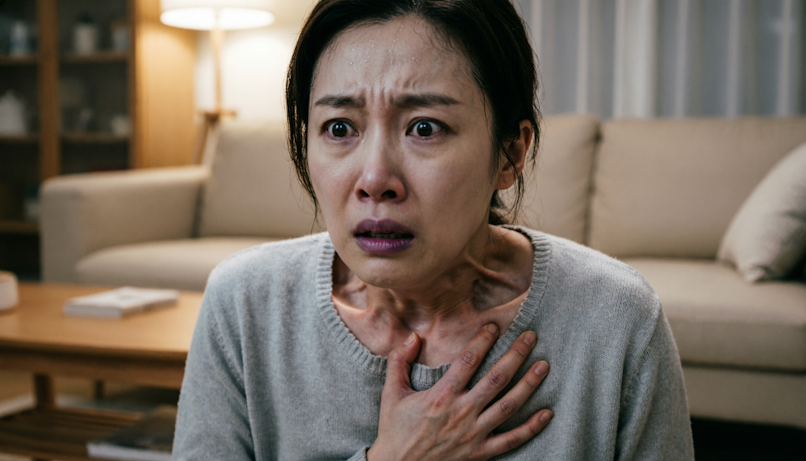
High blood pressure—also known as hypertension—is often called the “silent killer” because it rarely causes noticeable symptoms until it becomes severe. Despite its quiet nature, hypertension is one of the strongest risk factors for heart attack, stroke, kidney disease, and premature death. Globally, an estimated 1.4 billion adults aged 30–79 live with hypertension . In Australia, roughly 1 in 3 adults have high blood pressure .
Because hypertension is so common and often symptom‑free, millions turn to search engines to understand blood pressure numbers, natural ways to lower readings, low‑sodium diets, and medication side effects—often long before speaking with a clinician.
What Is Blood Pressure?
Blood pressure is the force of blood pushing against artery walls. It is measured using two numbers:
Systolic (top number): pressure when the heart contracts
Diastolic (bottom number): pressure when the heart relaxes
For example, a reading of 120/80 mmHg is considered normal.
According to major guidelines, blood pressure categories include:
Normal: <120/80 mmHg
Elevated: 120–129/<80 mmHg
Stage 1 Hypertension: 130–139/80–89 mmHg
Stage 2 Hypertension: ≥140/90 mmHg
Harvard Health
Credible health information source
High blood pressure (hypertension)
Blood pressure has two components:
Systolic pressure is the top number. It represents the pressure the heart generates when it beats to pump blood to the rest of the body.
Diastolic pressure is the bottom number. It refers to the pressure in the blood vessels between heartbeats.
Blood pressure is measured in millimeters of mercury (mm Hg). So blood pressure would be expressed, for example, as 120/80 mm Hg.
High blood pressure is diagnosed when one or both of these numbers is too high. High blood pressure is also called hypertension.
For decades, high blood pressure was defined as 140/90 mm Hg. In November, 2017, new United States guidelines lowered the threshold for diagnosing the condition. According to new guidelines, anyone with a reading of 130/80 mm Hg or higher has blood pressure. Based on this new definition, nearly half of Americans now fall into this group.
Blood pressure is now categorized as follows:
Normal: less than 120/80 mm Hg
Elevated: 120/80 to 129/79 mm Hg
Stage 1 hypertension: 130/80 to 139/89 mm Hg
Stage 2 hypertension: 140/90 mm Hg and above.
Although high blood pressure can cause symptoms such as headache and pounding heartbeat, it often causes no symptoms at all.
So why worry about high blood pressure? Because even when high blood pressure is not causing any symptoms, it can silently damage many organs, including the
brain
eyes
heart
kidneys
arteries throughout the body.
You may not recognize the damage that silent hypertension has been doing to your body until you suddenly are stricken with a major disease. For example, hypertension increases your risk of heart attack, stroke, and kidney failure.
Why Hypertension Matters
Even when symptom‑free, high blood pressure silently damages organs including the heart, brain, kidneys, and eyes. Untreated hypertension significantly increases the risk of:
Heart attack
Stroke
Heart failure
Kidney failure
Vision loss
WHO identifies hypertension as a major cause of premature death worldwide .
Symptoms of High Blood Pressure
Most people experience no symptoms at all, which is why regular checks are essential.
When blood pressure becomes dangerously high (often ≥180/120 mmHg), symptoms may include:
Severe headache
Blurred vision
Chest pain
Dizziness
Shortness of breath
Confusion
Nosebleeds
These symptoms require urgent medical attention.
Common Causes of Hypertension
Primary (Essential) Hypertension
Most adults have this form, which develops gradually due to genetics, aging, and lifestyle factors. Risk factors include:
Family history
High‑salt diet
Obesity
Alcohol consumption
Physical inactivity
Secondary Hypertension
Caused by an underlying condition such as:
Kidney disease
Thyroid disorders
Adrenal gland disorders
Sleep apnea
Certain medications (e.g., decongestants, NSAIDs, birth control pills) mayoclinic.org
What Blood Pressure Numbers Mean
People frequently search “What do my blood pressure numbers mean?” Here’s a simple breakdown:
120/80 mmHg: Ideal
130/80 mmHg: Hypertension begins
140/90 mmHg: Stage 2 hypertension
180/120 mmHg: Hypertensive crisis—seek emergency care
Smoking raises blood pressure and dramatically increases cardiovascular risk. Quitting improves heart health and reduces hypertension risk .
7. Improve Sleep
Chronic sleep deprivation increases hypertension risk. Adults should aim for 7–9 hours nightly .
8. Manage Stress
Long‑term stress may contribute to high blood pressure. Techniques include:
Meditation
Deep breathing
Social support
Relaxation exercises
9. Track Blood Pressure at Home
Home monitoring helps identify patterns and ensures lifestyle changes are working. Mayo Clinic recommends discussing proper technique with a clinician .
Medical Treatments for Hypertension
If lifestyle changes are insufficient, medications may be required. Common classes include:
ACE inhibitors (e.g., enalapril)
ARBs (e.g., losartan)
Calcium channel blockers (e.g., amlodipine)
Diuretics (e.g., hydrochlorothiazide)
Many people need two or more medications to achieve control.
Medication decisions should always be made with a healthcare professional.
When to See a Doctor
Seek medical advice if:
Your readings are consistently ≥140/90 mmHg
You experience symptoms of very high blood pressure
You have other risk factors (diabetes, kidney disease, heart disease)
You are unsure how to interpret home readings
Regular checks are essential because hypertension is often symptom‑free.
Living With Hypertension
Hypertension is common, treatable, and manageable. With lifestyle changes, regular monitoring, and medical support when needed, most people achieve excellent control and significantly reduce their risk of serious complications.
Taking charge of blood pressure is one of the most powerful steps anyone can take for long‑term health.
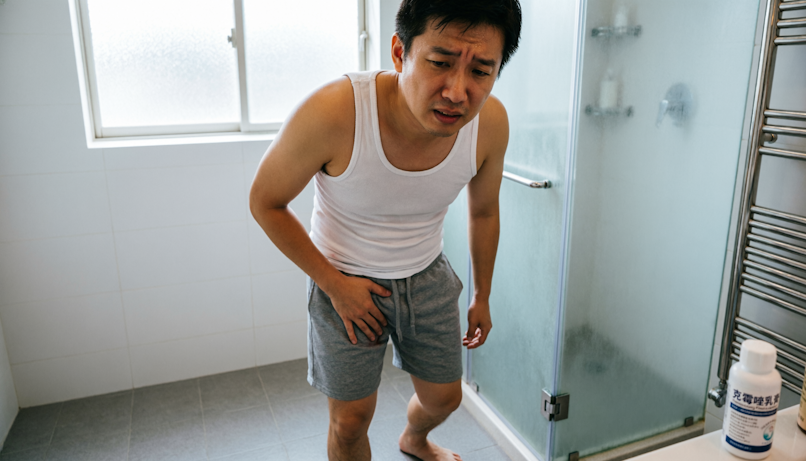
Rashes in the groin area are one of the most quietly searched health topics worldwide. Because the region is warm, moist, and often covered by clothing, it becomes an ideal environment for fungal infections—especially tinea cruris, commonly known as jock itch. People frequently look up symptoms such as redness, itching, peeling, or burning, and many seek discreet solutions like antifungal powders, creams, or home remedies before considering a medical appointment. Understanding what causes groin rashes and how to treat them effectively can help reduce discomfort and restore confidence.
What Is Jock Itch (Tinea Cruris)?
Jock itch is a fungal infection caused by dermatophytes—fungi that thrive on warm, moist skin. It typically affects the inner thighs, groin folds, and buttock creases, but it does not usually involve the genitals themselves.
The condition is common in:
Athletes
People who sweat heavily
Individuals wearing tight clothing
Those with weakened immune systems
Anyone living in hot, humid climates
Although the name suggests it affects men, women can also develop jock itch.
Common Symptoms of Jock Itch
Patients often report:
Red, itchy rash in the groin or inner thighs
Burning or stinging sensation
Peeling or flaking skin
Ring‑shaped rash with a slightly raised border
Musty or unpleasant odor
Worsening after exercise or sweating
The rash may spread outward while the center clears, creating a ring‑like appearance typical of fungal infections.
Other Causes of Groin Rashes
Not all groin rashes are fungal. Other common causes include:
1. Intertrigo
Skin‑on‑skin friction in moist areas leads to redness, irritation, and sometimes bacterial overgrowth.
2. Candida (Yeast) Infection
Often produces bright red patches with satellite spots.
3. Contact Dermatitis
Triggered by soaps, detergents, deodorants, or fabric dyes.
4. Heat Rash
Small red bumps caused by blocked sweat ducts.
5. Psoriasis or Eczema
Chronic skin conditions that may affect the groin.
Because symptoms overlap, persistent rashes should be evaluated by a clinician.
Why Groin Rashes Occur
Groin rashes develop when moisture, friction, and heat combine to irritate the skin or promote fungal growth. Contributing factors include:
Tight clothing
Synthetic fabrics that trap sweat
Prolonged sitting
Excessive sweating
Obesity
Poor ventilation
Sharing towels or sports equipment
Warm climates—like Queensland—can make fungal infections more common due to humidity.
Evidence‑Based Remedies for Jock Itch & Groin Rashes
Most cases of jock itch respond well to simple, consistent treatment. As a doctor, I typically recommend a combination of hygiene strategies and topical therapies.
1. Keep the Area Clean and Dry
Moisture is the main driver of fungal growth. Helpful strategies include:
Showering after exercise
Patting the groin dry thoroughly
Using a separate towel for the groin area
Changing out of sweaty clothing promptly
Drying the skin completely before putting on underwear is essential.
2. Loose, Breathable Clothing
Cotton underwear and loose shorts help reduce moisture buildup. Avoid tight jeans, compression shorts, or synthetic fabrics during flare‑ups.
3. Antifungal Powders or Creams
Over‑the‑counter antifungal products are commonly used for jock itch. These may come in:
Powders
Creams
Sprays
They help reduce fungal growth and soothe irritation. Consistency is key—treatment often needs to continue for several weeks.
4. Avoid Irritants
To reduce inflammation:
Use mild, fragrance‑free soaps
Avoid deodorants or powders containing strong scents
Skip harsh scrubbing
Gentle care helps the skin heal faster.
5. Cool Compresses
Applying a cool, damp cloth can reduce itching and burning sensations.
6. Manage Sweat
Sweat control helps prevent recurrence:
Use moisture‑wicking underwear
Apply powder before exercise
Take breaks to cool down during physical activity
Individuals with excessive sweating may benefit from additional strategies discussed with a clinician.
7. Treating Yeast or Bacterial Overgrowth
If the rash is caused by yeast or bacteria rather than dermatophytes, treatment may differ. A clinician can help determine the cause and discuss appropriate options.
8. Addressing Underlying Conditions
Conditions such as diabetes or immune disorders can make fungal infections more frequent. Managing these conditions may reduce recurrence.
Home Remedies People Commonly Search For
Because of embarrassment or stigma, many individuals look for discreet, at‑home solutions. Common searches include:
“Best antifungal powder for jock itch”
“How to stop groin itching fast”
“Red rash inner thigh treatment”
“Home remedies for jock itch”
While some home remedies may soothe symptoms, antifungal treatment is typically required to resolve the infection.
When to Seek Medical Attention
Consult a healthcare professional if:
The rash does not improve after several weeks
Symptoms worsen or spread
There is significant pain, swelling, or discharge
You have diabetes or a weakened immune system
The rash recurs frequently
You are unsure whether the rash is fungal
A clinician can confirm the diagnosis, rule out other conditions, and discuss appropriate treatment.
Preventing Future Groin Rashes
Prevention strategies include:
Keeping the groin dry
Wearing breathable fabrics
Avoiding shared towels
Showering after exercise
Maintaining good hygiene
Managing sweat effectively
These habits help reduce the risk of recurrence.
Living With Groin Rashes
Groin rashes—especially jock itch—are common, treatable, and nothing to be ashamed of. With proper hygiene, consistent treatment, and supportive care, most individuals experience significant relief. Addressing symptoms early can help restore comfort, confidence, and quality of life.
Questions and Answers
1. Jock Itch Symptoms & Identification
Q1: “Does jock itch affect the genitals directly, or is it only on the inner thighs and groin folds?”
Dr. Response: Classic jock itch (tinea cruris) typically favors the warm, skin-on-skin folds of the upper inner thighs, groin creases, and buttock folds, while characteristically sparing the scrotum and penis (or labia). If a red, irritated rash directly involves the genital skin itself, it is much more likely to be a yeast infection (Candida), intertrigo, or contact dermatitis rather than classic fungal jock itch.
Q2: “Why does my jock itch rash look like a ring with raised edges and a clearer center?”
Dr. Response: That classic “ringworm” pattern occurs because of how dermatophyte fungi grow—expanding outward in a circular fashion in search of fresh keratin (skin protein) to feed on. As the outer edge advances, your immune system reacts, creating a red, raised, scaly border. As the infection moves outward, the older skin in the center begins to quiet down and clear, forming the characteristic ring shape.
Q3: “Why does my groin rash have a strong, musty smell, and does that automatically mean it’s fungal?”
Dr. Response: Fungi and bacteria thrive in warm, moist environments where they break down trapped sweat, skin oils, and dead skin cells. This metabolic breakdown produces volatile organic compounds that cause a stale, musty, or sour odor. While very common with jock itch, a strong odor can also indicate bacterial overgrowth or heavy moisture buildup from intertrigo.
Q4: “Can women get jock itch, or is it strictly a men’s health condition?”
Dr. Response: Despite the masculine name, women can absolutely get jock itch. Fungi do not discriminate based on sex—they simply look for warmth, moisture, and friction. Women who work out heavily, wear tight athletic leggings, live in humid climates, or have deep groin folds can easily develop tinea cruris in the inner thigh and groin creases.
2. Distinguishing Jock Itch from Other Groin Rashes
Q5: “How can I tell the difference between simple chafing (intertrigo) and actual jock itch?”
Dr. Response:Chafing (intertrigo) is physical skin-on-skin friction that leaves raw, red, mirror-image patches exactly where skin rubs together, usually without a scaly edge. Jock itch is an active fungal infection that typically features a distinct, raised, scaly or bumpy outer border that creeps beyond the friction zone and expands onto the inner thighs.
Q6: “What makes a yeast infection (Candida) in the groin different from fungal jock itch?”
Dr. Response: While both are fungal, they are caused by different organisms. Tinea cruris (dermatophytes) tends to produce drier, scaly, ring-like patches on the inner thighs. Candida (yeast) loves intense moisture and tends to create bright “beefy red,” wet-looking patches that directly involve skin folds and genitals, often accompanied by tiny, red pinpoint bumps called satellite lesions scattered just outside the main rash.
Q7: “Could my itchy groin rash be an allergic reaction to my laundry detergent, soap, or underwear?”
Dr. Response: Yes, this is known as contact dermatitis. It occurs when delicate groin skin reacts to fragrances, dyes, or harsh chemicals in soaps, body washes, laundry detergents, or synthetic fabrics. Contact dermatitis often appears suddenly with intense itching or burning and closely matches the shape of exposure—such as a rash outlining a elastic underwear waistband.
Q8: “Why do I get tiny red bumps in my groin after working out in the heat—is that heat rash or jock itch?”
Dr. Response: Crop-like clusters of tiny, stinging red dots after intense sweating are usually miliaria (heat rash), caused by blocked sweat ducts under the skin. Heat rash typically resolves within a day or two once you cool down and dry off. Jock itch, by contrast, forms larger, connected scaly patches that persist and gradually expand over weeks.
3. Treatments, Antifungals & Over-the-Counter Care
Q9: “Should I use an antifungal cream, powder, or spray for jock itch, and which is best?”
Dr. Response: It depends on the state of your skin:
Antifungal Creams (e.g., clotrimazole, miconazole, terbinafine) are best for treating active, dry, or scaly rashes because they penetrate the skin layers effectively.
Antifungal Powders are excellent for daytime use or prevention because they absorb excess sweat while delivering active medication.
Sprays offer a touchless, convenient option for sensitive or painful areas.
Q10: “How long do I need to keep applying antifungal cream after the rash and itching clear up?”
Dr. Response: You should continue applying your topical antifungal for at least 1 to 2 weeks after all visible redness, scaling, and itching have completely disappeared. Stopping treatment the moment your skin looks normal leaves microscopic fungal spores behind, which is the most common reason jock itch flares right back up.
Q11: “Is it okay to use hydrocortisone or anti-itch steroid creams on jock itch to stop the burning?”
Dr. Response:No, avoid over-the-counter hydrocortisone or steroid creams on fungal rashes. While steroids temporarily numb itching, they suppress your skin’s local immune defenses. This allows the underlying fungus to multiply unchecked and spread rapidly—a condition clinicians refer to as tinea incognito. Stick purely to antifungal formulations.
Q12: “Do home remedies like rubbing alcohol, apple cider vinegar, or tea tree oil actually cure jock itch?”
Dr. Response: I strongly advise against applying rubbing alcohol, bleach, or undiluted apple cider vinegar to the groin. These harsh substances burn delicate skin, destroy the natural skin barrier, and cause severe chemical irritation that makes the rash worse. Clinically proven OTC antifungal creams are far safer, painless, and much more effective.
4. Hygiene, Prevention & Daily Habits
Q13: “Can athlete’s foot spread to my groin, and can I pass jock itch to my partner?”
Dr. Response: Yes to both. Athlete’s foot (tinea pedis) is caused by the exact same group of fungi as jock itch. If you step into your underwear feet-first, the fabric can pick up fungal spores from your toes and drag them directly up to your groin! Always put your socks on before your underwear. Jock itch can also spread to partners through direct skin contact or shared towels.
Q14: “What is the best routine for keeping the groin completely dry after showering or exercise?”
Dr. Response: After washing with a mild, fragrance-free soap, thoroughly pat dry—do not rub—the groin area using a clean towel (and use a separate towel for your feet). Allow the skin to air-dry for a minute before putting on clothes. If you sweat heavily or have deep skin folds, you can even use a hair dryer set on the cool/no-heat setting to ensure every fold is completely dry.
Q15: “What type of underwear is best for preventing jock itch and groin sweat?”
Dr. Response: Opt for loose-fitting, 100% breathable cotton or specialized athletic underwear made from moisture-wicking synthetic fabrics designed to pull sweat away from the skin. Avoid tight polyester, nylon, or satin underwear for daily wear, as non-breathable materials trap heat and humidity against the skin.
Q16: “How should I wash my workout clothes and towels to make sure fungal spores are killed?”
Dr. Response: Wash all underwear, gym clothes, and towels in hot water (at least 60°C / 140°F) and dry them completely on a high-heat dryer cycle, as heat kills fungal spores. Never leave damp workout clothes sitting in a gym bag or laundry hamper overnight, as dark, wet spaces allow fungi to multiply rapidly.
5. Special Circumstances & When to See a Doctor
Q17: “Why does having high blood sugar or diabetes make jock itch and groin yeast infections keep coming back?”
Dr. Response: Elevated blood glucose increases the concentration of sugar present in your sweat and skin secretions, providing an abundant food source for fungi and yeast to thrive. Furthermore, diabetes can impair localized microcirculation and immune responses, making it harder for your body to keep normal skin microbes in check.
Q18: “Why does my jock itch keep coming back every few months even after I treat it?”
Dr. Response: Chronic recurrence usually boils down to three main reasons:
Stopping antifungal treatment too early before fungal spores are fully eradicated.
Re-infecting yourself from untreated athlete’s foot on your feet or contaminated shoes.
Persistent environmental factors, such as wearing damp work clothes, heavy daily sweating, or living in a humid climate like Queensland.
Q19: “What ‘red flag’ symptoms mean my groin rash needs an immediate doctor visit?”
Dr. Response: Please seek prompt medical evaluation if you notice:
Rapidly spreading redness accompanied by severe pain, swelling, or heat
Yellow pus, oozing crusts, or open, painful sores (signs of a bacterial infection)
Red streaks spreading from the rash or a systemic fever
A rash that fails to improve after 2 weeks of consistent OTC antifungal treatment
Frequent recurrences if you have diabetes or a weakened immune system
Q20: “I’m embarrassed to show a groin rash to a doctor—what actually happens during a medical exam?”
Dr. Response: Medical professionals evaluate groin rashes every single week—it is a completely routine part of primary care and dermatology. A typical exam takes just a couple of minutes in a private room (with a chaperone present upon request). The doctor will briefly examine the rash’s edges and patterns. If the diagnosis is unclear, they may gently scrape a tiny sample of loose surface skin to examine under a microscope—a quick, painless process that provides answers right away.
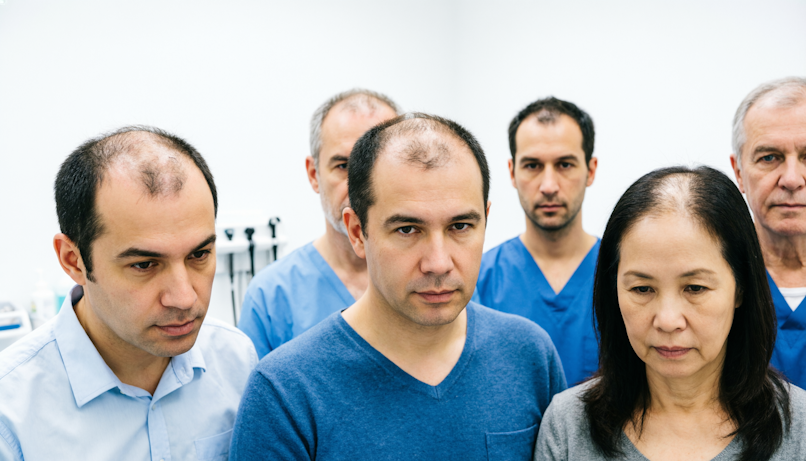
Hair plays a powerful role in identity, confidence, and self‑image. Whether someone is dealing with thinning hair, patchy bald spots, or excessive facial or body hair, these concerns often trigger quiet, anxious searches online. Men and women alike look up causes, treatments, and cosmetic solutions long before speaking with a clinician. Understanding why hair changes occur—and what can be done about them—can help reduce worry and guide individuals toward effective, evidence‑based options.
Understanding Hair Loss (Alopecia)
Hair loss, or alopecia, can occur gradually or suddenly. It may affect the scalp, eyebrows, beard, or body. Some forms are temporary and reversible; others are long‑term but manageable.
Common Types of Alopecia
1. Androgenic Alopecia (Pattern Baldness)
The most common form of hair loss.
Men: Receding hairline, thinning crown
Women: Widening part, diffuse thinning across the scalp
This type is influenced by genetics and hormones.
2. Telogen Effluvium
A temporary shedding triggered by stress, illness, childbirth, or major life changes. Hair falls out diffusely but usually regrows once the trigger resolves.
3. Alopecia Areata
An autoimmune condition causing round, smooth bald patches. It may affect the scalp, eyebrows, or beard.
4. Traction Alopecia
Caused by tight hairstyles that pull on the roots over time.
5. Scarring Alopecia
Less common; involves inflammation that damages hair follicles permanently.
Symptoms of Hair Loss
Patients often report:
Gradual thinning on the scalp
Receding hairline
Patchy bald spots
Excessive hair shedding in the shower or on the pillow
Widening part line
Reduced hair density or volume
Itching or irritation (in some inflammatory conditions)
Hair loss can be emotionally distressing, especially when it progresses quickly or affects visible areas.
Because causes vary widely, persistent or unexplained hair loss should be evaluated by a clinician.
Evidence‑Based Remedies for Hair Loss
1. Gentle Hair Care
Reducing breakage helps preserve existing hair:
Avoid tight hairstyles
Use gentle shampoos
Limit heat styling
Avoid harsh chemical treatments
2. Nutritional Support
A balanced diet supports hair growth. General strategies include:
Adequate protein intake
Iron‑rich foods
Vitamin D sources
Omega‑3 fatty acids
A clinician can help determine whether supplements are appropriate.
3. Stress Management
Stress can push hair into a shedding phase. Relaxation techniques, exercise, and sleep optimisation may help reduce telogen effluvium.
4. Medical Treatments
Clinicians may discuss various options depending on the cause. These may include topical therapies, oral medications, or procedural treatments. Treatment choices depend on diagnosis and should always be guided by a healthcare professional.
5. Cosmetic Solutions
Many individuals explore:
Hair fibres
Volumising products
Strategic hairstyles
Wigs or toppers
These can provide immediate confidence while medical treatments take effect.
Understanding Unwanted Facial/Body Hair
Excessive hair growth—known as hypertrichosis or hirsutism—can be equally distressing. While hypertrichosis refers to generalised hair growth, hirsutism specifically describes male‑pattern hair growth in women (chin, upper lip, chest, abdomen).
Common Symptoms
Dark, coarse hair on the face
Increased hair on the chest, abdomen, or back
Rapid or unexpected hair growth
Emotional distress or self‑consciousness
What Causes Excess Hair Growth?
1. Hormonal Imbalances
Elevated androgens (male hormones) can trigger hirsutism. Common causes include:
Polycystic ovary syndrome (PCOS)
Thyroid disorders
Adrenal conditions
2. Genetics
Some individuals naturally have thicker or darker hair.
3. Medications
Certain medications may increase hair growth.
4. Aging
Hormonal shifts during menopause can change hair patterns.
Evidence‑Based Remedies for Unwanted Hair
1. Hair Removal Methods
Non‑medical options include:
Shaving
Waxing
Threading
Depilatory creams
Laser hair reduction (long‑term reduction, not complete removal)
Laser treatments work best on dark hair and lighter skin tones, though newer technologies are expanding suitability.
2. Gentle Skin Care
To reduce irritation:
Use soothing creams after hair removal
Avoid harsh exfoliation
Choose fragrance‑free products
3. Managing Underlying Conditions
If excess hair is linked to hormonal imbalance, a clinician may discuss treatment options tailored to the underlying cause.
4. Cosmetic Approaches
Many individuals use:
Makeup to conceal facial hair
Dermaplaning
Brow shaping
Professional grooming services
These can improve confidence while medical evaluation is underway.
Why People Search for Hair Issues Online
Hair concerns are deeply personal. Common search queries include:
“Why is my hair thinning?”
“Best treatments for pattern baldness”
“How to stop shedding”
“How to remove chin hair permanently”
“PCOS facial hair solutions”
Because hair changes can feel embarrassing or emotionally charged, many people prefer to explore options privately before seeking professional help.
When to Seek Medical Attention
Consult a healthcare professional if you experience:
Sudden or rapid hair loss
Patchy bald spots
Scalp pain, redness, or scaling
Excess facial hair accompanied by irregular periods
Hair loss after starting a new medication
Hair changes with fatigue, weight changes, or other symptoms
A clinician can help identify underlying causes and discuss appropriate treatment options.
Living With Hair Changes
Hair loss and unwanted hair growth are common, treatable, and nothing to be ashamed of. With supportive care, medical guidance, and cosmetic strategies, most individuals achieve meaningful improvement. Addressing these concerns early can help restore confidence, comfort, and self‑image.
Questions and Answers
1. Pattern Baldness & General Thinning
Q1: “Why is my hair part getting wider, and is female pattern baldness reversible?”
Dr. Response: A widening part line is the classic early presentation of female pattern hair loss (androgenic alopecia). Unlike men, women rarely go completely bald; instead, hair follicles gradually miniaturize, producing finer, shorter strands over time. While it is generally a progressive genetic and hormonal condition rather than fully “reversible,” early medical intervention can halt progression and help reactivate miniaturized follicles to restore noticeable density.
Q2: “Does high testosterone or DHT cause pattern baldness in men, and how do DHT blockers work?”
Dr. Response: It is actually not the amount of circulating testosterone that causes baldness, but rather how sensitive your scalp’s hair follicles are to Dihydrotestosterone (DHT)—a byproduct of testosterone. In genetically susceptible follicles, DHT binds to receptors and causes them to shrink over time. DHT-blocking treatments work by inhibiting the enzyme (5-alpha reductase) that converts testosterone into DHT, preserving follicle health and protecting your hairline.
Q3: “How do I know if my receding hairline is just a ‘maturing hairline’ or early male pattern baldness?”
Dr. Response: A maturing hairline usually moves back about 1 to 2 centimeters above the top forehead crease, stays relatively symmetrical, and stabilizes in your late teens or early twenties without diffuse thinning behind it. Early male pattern baldness, however, pushes deeper into the temples (forming a distinct “M” or “V” shape), is often asymmetrical, and is accompanied by thinning hair density at the crown or hairline edge.
Q4: “Can cosmetic options like hair fibers or wigs damage my remaining hair?”
Dr. Response: When used correctly, cosmetic solutions like keratin hair fibers, volumizing sprays, wigs, and toppers are very safe and excellent for boosting daily confidence. However, ensure that toppers or wig clips do not pull tightly on your natural hair roots, as continuous tension can lead to traction alopecia. Clean your scalp regularly to prevent product buildup around hair follicles.
Q5: “Why am I suddenly losing clumps of hair in the shower 2–3 months after being sick or super stressed?”
Dr. Response: This delay is characteristic of a condition called Telogen Effluvium. A major physical or emotional shock—such as high fever, severe illness, childbirth, major surgery, or sudden loss—causes a large percentage of growing hair follicles to enter their resting (telogen) phase prematurely. Because the resting phase lasts about 2 to 3 months before the hair sheds, the excessive loss appears long after the triggering event has passed.
Q6: “What are those sudden, smooth, round bald spots on my scalp or beard, and will the hair grow back?”
Dr. Response: Smooth, coin-sized, hairless patches are typical of Alopecia Areata, an autoimmune condition where your immune system mistakenly attacks hair follicles. The good news is that the hair follicles remain alive, meaning hair regrows in many cases. A doctor can evaluate the patches and recommend anti-inflammatory or targeted treatments to help quiet the immune response and accelerate regrowth.
Q7: “Can tight ponytails, braids, or extensions cause permanent bald spots?”
Dr. Response: Yes, constant pulling on the hair roots causes a condition called Traction Alopecia. In its early stages, traction alopecia causes temporary tenderness, small bumps, and reversible thinning around the hairline or temples. However, if tight hairstyles (like high ponytails, tight braids, or heavy extensions) are worn continuously for years, persistent mechanical strain can scar the follicles permanently. Switching to loose, low-tension styles resolves early damage.
Q8: “How long does Telogen Effluvium shedding usually last before hair starts growing back?”
Dr. Response: Acute Telogen Effluvium shedding typically lasts between 3 to 6 months. Once the underlying trigger (such as nutritional deficiency, acute stress, or illness) is resolved, hair shedding slows down back to a normal rate (50–100 hairs a day), and normal regrowth begins. Full density recovery can take 6 to 12 months simply because scalp hair grows at a rate of about half an inch per month.
3. Facial & Body Hair in Women (Hirsutism & PCOS)
Q9: “Why am I suddenly growing thick, dark hair on my chin, upper lip, or jawline as a woman?”
Dr. Response: Growth of coarse, dark hair in male-pattern distribution areas (chin, chest, abdomen) is called hirsutism. It is triggered when hair follicles in these regions are exposed to elevated levels of circulating androgens (male hormones) or are hypersensitive to normal levels. Because hirsutism is frequently linked to underlying endocrine shifts like Polycystic Ovary Syndrome (PCOS) or thyroid imbalances, medical evaluation is recommended.
Q10: “What is the difference between hirsutism and hypertrichosis?”
Dr. Response:Hirsutism is androgen-dependent, coarse hair growth in females occurring specifically in male-pattern distribution areas (chin, chest, back, lower abdomen). Hypertrichosis, on the other hand, refers to excess fine or coarse hair growth anywhere on the body that is not dependent on male hormones and can affect both men and women. Hypertrichosis is typically linked to genetics, certain medications, or systemic conditions.
Q11: “Does shaving my facial or body hair make it grow back thicker, darker, or faster?”
Dr. Response: No, this is one of the most persistent cosmetic myths! Shaving cuts the hair shaft at the skin’s surface, leaving a blunt, flat tip as it grows out. This blunt tip can feel stubbly and rough, making it appear temporarily thicker, but shaving does not alter the actual number, follicle diameter, growth rate, or color of your hair.
Q12: “Can PCOS cause BOTH hair loss on my head AND excess hair on my face at the same time?”
Dr. Response: Yes, this is a frequent and frustrating combination in Polycystic Ovary Syndrome (PCOS). Elevated androgen levels exert opposite effects depending on the hair follicle location: they miniaturize hair follicles on the scalp (causing female pattern thinning), while simultaneously stimulating follicle growth on the chin, face, and body (causing hirsutism). Managing the underlying hormonal imbalance addresses both symptoms.
4. Remedies, Supplements & Hair Removal Methods
Q13: “Does laser hair removal work permanently for chin and body hair, or will it just grow back?”
Dr. Response: Laser hair removal provides long-term hair reduction, rather than guaranteed 100% permanent removal. The laser targets melanin in active hair follicles to damage them. While it dramatically reduces hair density and thins remaining strands, new follicles can activate over time—especially if there is an unmanaged underlying hormonal drive like PCOS. Maintenance sessions are often needed every few months or years.
Q14: “Should I take Biotin, Iron, or Vitamin D for hair loss, or can supplements cause issues?”
Dr. Response: Nutritional supplementation only improves hair growth if you have an underlying deficiency. Iron deficiency (ferritin) and low Vitamin D are well-documented triggers for hair shedding, and replacing them under medical guidance helps. However, megadosing high-dose Biotin without a proven deficiency rarely helps hair growth and can severely distort important laboratory tests (including thyroid and heart cardiac markers).
Q15: “Is dermaplaning safe for women with coarse facial hair, or does it cause breakouts and ingrowns?”
Dr. Response: Dermaplaning (using a single sterile blade to shave fine peach fuzz and dead skin) is generally safe for fine hair, but if you have thick, coarse hair from hirsutism, dermaplaning close to the follicle opening can lead to folliculitis (inflamed follicles) or painful ingrown hairs. If you have active acne or sensitive skin, gentle trimming, waxing, or laser treatments under professional guidance are safer alternatives.
Q16: “Do scalp massages, rosemary oil, or heat-styling breaks really help regrow hair?”
Dr. Response:
Scalp Massages: May increase local blood circulation and provide mild mechanical stimulation to follicles, though evidence for significant regrowth is limited.
Rosemary Oil: Some preliminary studies suggest topical rosemary oil may offer mild benefit similar to low-strength minoxidil, but more rigorous research is required.
Heat Breaks: Reducing flat irons and blow dryers directly prevents physical shaft breakage, preserving the visual volume of the hair you already have.
5. Root Causes, Hormones & Medical Diagnostics
Q17: “Could my sudden hair thinning be linked to a thyroid issue or perimenopause/menopause?”
Dr. Response: Absolutely. Thyroid hormones directly regulate hair follicle metabolism; both an underactive (hypothyroidism) and overactive (hyperthyroidism) thyroid can cause diffuse, uniform hair thinning. Similarly, during perimenopause and menopause, declining estrogen levels shift the estrogen-to-androgen ratio, allowing relative androgen dominance to thin scalp hair while encouraging fine facial hair growth.
Q18: “Can starting or stopping birth control pills cause severe hair shedding?”
Dr. Response: Yes. Oral contraceptives alter your hormonal baseline. Starting, switching, or stopping birth control pills can trigger a temporary episode of Telogen Effluvium due to sudden hormonal fluctuations. Additionally, birth control pills with high “androgenic index” progestins can sometimes worsen pattern hair loss in genetically predisposed women, whereas low-androgenic pills may help protect scalp hair.
Q19: “What ‘red flag’ symptoms mean my hair loss or extra hair growth requires immediate medical evaluation?”
Dr. Response: You should consult a physician promptly if you experience:
Rapid onset of severe hair loss or wide, sudden bald patches
Scalp pain, burning, redness, scaling, or pus-filled blisters (signs of scarring or infection)
Excess facial hair growth accompanied by voice deepening, severe acne, or irregular/absent periods (signs of virilization)
Unexplained weight changes, extreme fatigue, cold intolerance, or muscle weakness
Q20: “How do doctors actually test for underlying causes of hair loss or excess facial hair?”
Dr. Response: A thorough evaluation involves:
Medical History & Scalp Exam: Looking at loss patterns, follicle openings, and pull-test shedding.
Scalp Biopsy: In unclear or suspect cases (such as scarring alopecia), a tiny punch biopsy of the scalp tissue is examined under a microscope to evaluate follicle architecture and inflammation.
Sexually transmitted infections (STIs), also known as sexually transmitted diseases (STDs), are among the most frequently searched health topics worldwide. Whether someone notices an unusual rash, tingling, discomfort, or unexpected discharge, the fear and stigma surrounding sexual health often lead individuals to seek answers privately online. While online information can be helpful for understanding symptoms, accurate diagnosis and treatment always require laboratory testing. Understanding how STIs present, how they spread, and how they are treated can help reduce anxiety and encourage timely medical care.
What Are STIs?
STIs are infections transmitted primarily through sexual contact—vaginal, anal, or oral. They can be caused by bacteria, viruses, or parasites. Some infections produce noticeable symptoms, while others remain silent for months or years.
Common STIs include:
Chlamydia
Gonorrhea
Genital herpes (HSV‑1 and HSV‑2)
Human papillomavirus (HPV)
Syphilis
HIV
Trichomoniasis
Many of these infections are treatable, and some are curable. Early detection is key to preventing complications and transmission.
Why People Search for STI Symptoms Online
Because sexual health is still surrounded by stigma, many individuals hesitate to seek in‑person care. Common search queries include:
“Is this rash an STI?”
“Why do I have tingling down there?”
“What does chlamydia discharge look like?”
“Can herpes be painless?”
“Syphilis rash pictures”
“Do I need antibiotics for gonorrhea?”
While these searches reflect understandable concern, self‑diagnosis is unreliable. Many STIs share overlapping symptoms, and some symptoms mimic non‑STI conditions such as yeast infections, dermatitis, or urinary tract infections.
Common Symptoms of STIs
Symptoms vary depending on the infection, but typical signs include:
1. Genital Discharge
Chlamydia and gonorrhea often cause yellow or cloudy discharge.
Trichomoniasis may produce frothy, greenish discharge with odor.
2. Rashes or Lesions
Herpes causes painful blisters or sores.
Syphilis may cause a painless ulcer (chancre) followed by a body rash.
HPV can cause genital warts—small, flesh‑colored bumps.
3. Pain or Tingling
Herpes often begins with tingling or burning before sores appear.
Some bacterial infections cause pelvic or testicular pain.
4. Itching or Irritation
Can occur with trichomoniasis, herpes, or non‑STI conditions.
5. Painful Urination
Common with chlamydia, gonorrhea, and herpes.
6. No Symptoms at All
Many STIs—especially chlamydia, HPV, and HIV—may be silent for long periods. This is why routine testing is essential.
How STIs Spread
STIs can spread through:
Vaginal, anal, or oral sex
Skin‑to‑skin contact (herpes, HPV)
Sharing needles
Pregnancy or childbirth (certain infections)
STIs do not spread through casual contact such as hugging, sharing food, or using public toilets.
High‑Risk Factors
Individuals may be at higher risk if they:
Have new or multiple sexual partners
Do not use condoms consistently
Have a history of STIs
Engage in sexual activity under the influence of alcohol or drugs
Are under 25 (higher rates of chlamydia and gonorrhea)
Evidence‑Based Remedies and Treatment Options
1. Laboratory Testing (Essential)
No matter how clear symptoms may seem, only a laboratory test can confirm an STI. Testing may include:
Urine samples
Swabs
Blood tests
Testing is quick, confidential, and widely available.
2. Antibiotics for Bacterial STIs
Bacterial infections such as chlamydia, gonorrhea, and syphilis are typically treated with antibiotics. Treatment is highly effective when taken as directed.
3. Antiviral Medications for Viral STIs
Herpes and HIV require antiviral medications to manage symptoms and reduce transmission risk. HPV often clears on its own, though certain strains may require treatment for warts or cervical changes.
4. Partner Notification and Treatment
Partners may also need testing and treatment to prevent reinfection.
5. Avoiding Sexual Activity During Treatment
Most clinicians recommend avoiding sexual contact until treatment is complete and symptoms have resolved.
6. Vaccination
Vaccines are available for:
HPV (protects against cancer‑causing strains)
Hepatitis A and B
Vaccination is one of the most effective preventive tools.
7. Condom Use
Condoms significantly reduce the risk of many STIs, though they do not fully protect against skin‑to‑skin infections like herpes or HPV.
8. Managing Symptoms at Home
While home remedies cannot cure STIs, supportive care may help:
Warm baths for discomfort
Loose clothing to reduce irritation
Avoiding scented products
Staying hydrated
These measures ease symptoms but do not replace medical treatment.
When to Seek Medical Attention
Consult a healthcare professional if you experience:
Unusual discharge
Genital sores or blisters
Pelvic or testicular pain
Painful urination
Rash on the body or genitals
Flu‑like symptoms after sexual exposure
Any symptom after unprotected sex
Early diagnosis prevents complications such as infertility, chronic pain, neurological issues, and transmission to partners.
Living With and Preventing STIs
STIs are common, treatable, and nothing to be ashamed of. Open communication, routine testing, and safe sexual practices help protect both personal and partner health. With proper care, most individuals recover fully or manage symptoms effectively.
Sexual health is an essential part of overall wellbeing, and seeking help early is a sign of responsibility—not failure.
Questions and Answers
1. Common Symptoms & Visual Signs
Q1: “What does chlamydia or gonorrhea discharge look like, and how is it different from a regular yeast infection?”
Dr. Response: Bacterial STIs like chlamydia and gonorrhea typically cause a cloudy, yellow, or greenish mucopurulent (pus-like) discharge that may be thin or watery and often carries a noticeable odor or accompanies internal burning when urinating. A classic yeast infection, by contrast, produces thick, white, odorless “cottage cheese–like” discharge accompanied by intense external itching and redness. However, because symptoms frequently overlap, a laboratory swab is required to confirm the exact organism.
Q2: “Can genital herpes sores be mild or painless, or do they always present as severe blisters?”
Dr. Response: While a first outbreak can cause cluster-like, fluid-filled blisters that pop and leave painful ulcers, herpes (HSV-1 and HSV-2) can present extremely mildly or even painlessly. Many individuals mistake minor herpes lesions for a simple ingrown hair, razor burn, a chafed friction mark, or a small fissure. This is precisely why herpes spreads so easily—people often do not realize an active lesion is present.
Q3: “What is a primary syphilis chancre sore, and why do people so easily miss or ignore it?”
Dr. Response: A primary syphilis chancre is a firm, round, usually single sore that appears at the site where the bacteria (Treponema pallidum) entered the body. The defining feature of a primary chancre is that it is typically completely painless and non-itchy. Because it causes no pain and heals naturally on its own after a few weeks, people often ignore it—unaware that the infection has progressed to secondary syphilis throughout the body.
Q4: “Is it true that you can have a serious STI for months or years with zero symptoms?”
Dr. Response: Yes, absolutely. Conditions like chlamydia, gonorrhea, HPV, hepatitis B/C, and HIV are notorious for being completely asymptomatic in up to 70–80% of infected individuals (especially women with chlamydia or men with HPV). Even without symptoms, an asymptomatic STI continues to transmit to partners and can quietly cause permanent internal damage, such as Pelvic Inflammatory Disease (PID) or tubal infertility.
2. Bacterial vs. Viral STIs & Specific Conditions
Q5: “Which STIs are completely curable with antibiotics versus manageable with antivirals?”
Dr. Response:
Curable STIs: Caused by bacteria or parasites—including chlamydia, gonorrhea, syphilis, and trichomoniasis. Targeted antibiotics or antiparasitics completely eradicate the organisms from your body.
Manageable (Viral) STIs: Caused by viruses—including Herpes (HSV), Human Papillomavirus (HPV), HIV, and Hepatitis B. While these cannot be eliminated completely by antibiotics, antiviral medications effectively suppress the viruses, prevent outbreaks, drastically lower transmission risk, and allow individuals to lead healthy lives.
Q6: “How can I tell the difference between genital warts (HPV), herpes blisters, and swollen hair follicles?”
Dr. Response:
Genital Warts (HPV): Flesh-colored, pink, or soft brownish bumps that are usually painless, non-fluid-filled, and may have a cauliflower-like texture.
Herpes (HSV): Small, fluid-filled blisters that rupture into raw, painful, stinging open ulcers that crust over and heal.
Folliculitis/Ingrown Hairs: Single red bumps centered around a hair follicle, often with a small white pore or pus-head, triggered by shaving or friction.
Q7: “What causes the ‘tingling’ or ‘burning’ feeling in the groin before a herpes outbreak appears?”
Dr. Response: This warning sensation is called the viral prodrome. Before visible sores break through the skin, the herpes simplex virus travels down nerve pathways from its resting state in the spinal ganglia to the surface of the skin. This nerve irritation triggers localized tingling, itching, shooting nerve pain, or skin tenderness hours or days before a physical lesion surfaces.
Q8: “What is trichomoniasis, and why does it cause frothy, greenish discharge with a foul odor?”
Dr. Response:Trichomoniasis is caused by a microscopic single-celled parasite called Trichomonas vaginalis. As the parasite multiplies in the lower genital tract, it triggers an inflammatory response that alters vaginal fluid composition. This creates a characteristically thin, frothy, yellow-green discharge accompanied by vulvar swelling, intense irritation, and a distinct foul odor. It is easily treated with oral antiparasitic medication.
3. Testing, Window Periods & Self-Diagnosis Pitfalls
Q9: “Why is looking up ‘STI rash pictures’ or self-diagnosing online so dangerous and unreliable?”
Dr. Response: Visual self-diagnosis for genital skin concerns is notoriously inaccurate—even experienced clinicians cannot definitively diagnose most STIs by eye alone. A red bump or rash in the groin could be an STI (herpes, syphilis, molluscum, HPV), or it could be contact dermatitis, eczema, psoriasis, a yeast infection, or jock itch. Mistaking one for another delays effective treatment and creates unnecessary fear.
Q10: “What is an ‘STI window period,’ and how soon after unprotected sex can I get tested?”
Dr. Response: The window period is the time between potential exposure and when a test can accurately detect the infection:
Chlamydia & Gonorrhea (DNA/NAAT tests): Usually accurate 1 to 2 weeks post-exposure.
Syphilis & HIV (Blood tests): Antibodies take time to develop; modern HIV antigen/antibody tests are reliable at 18 to 45 days, while full confirmation for blood tests occurs around 90 days. Testing too early during the window period can yield a false-negative result, so repeating tests at appropriate intervals is key.
Q11: “What actually happens during a confidential STI screening at a clinic or doctor’s office?”
Dr. Response: An STI screening is routine, respectful, and confidential. Depending on your anatomical needs and sexual practices, a typical panel involves:
A urine sample (to test for chlamydia and gonorrhea)
A small blood draw (to screen for HIV, syphilis, and hepatitis)
Optional swabs of the throat, rectum, or vaginal wall (if you engage in oral or anal sex or have visible active lesions)
Q12: “Can a standard urine test detect ALL STIs, or do I need blood work and swabs as well?”
Dr. Response: A common misconception is that a single urine sample tests for “everything.” Urine tests primarily screen for chlamydia, gonorrhea, and trichomoniasis in the urinary tract. They cannot detect blood-borne infections like HIV, syphilis, or hepatitis (which require blood draws), nor can they diagnose active herpes or localized HPV without physical examination or specialized lesion swabs.
4. Treatments, Partner Care & Medical Management
Q13: “If I test positive for a bacterial STI like chlamydia, how long do I need to abstain from sex?”
Dr. Response: You and your partner(s) must abstain from all sexual activity (including vaginal, anal, and oral sex) for at least 7 days after starting a single-dose antibiotic, or until you have fully completed a multi-day antibiotic course. Engaging in sexual contact before 7 days passed increases the risk of re-infecting each other before the medication has completely cleared the bacteria.
Q14: “Why do my sexual partners need to get tested and treated if they have zero symptoms?”
Dr. Response: Because bacterial STIs are frequently silent, an infected partner can harbor bacteria without knowing it. If you get treated with antibiotics but your partner goes untreated, you will likely be re-infected the next time you engage in sexual contact. Concurrent treatment (“expedited partner therapy” or parallel clinic visits) breaks the cycle of transmission.
Q15: “Can home remedies like tea tree oil, apple cider vinegar, or vitamins cure an STI?”
Dr. Response:No. There are no home remedies, essential oils, or dietary supplements that can cure or eradicate an STI. Applying harsh substances like tea tree oil or vinegar to genital skin causes painful chemical burns, exacerbates skin tearing, and increases susceptibility to secondary bacterial infections. Bacterial STIs require targeted antibiotics, and viral STIs require medical antivirals.
Q16: “What is antibiotic-resistant gonorrhea, and why is taking every single pill so important?”
Dr. Response:Neisseria gonorrhoeae has developed resistance to almost every class of antibiotics used against it over recent decades. To combat this, doctors use precise, evidence-based combination therapies. If you stop taking your prescribed antibiotics early simply because your symptoms vanished, the strongest bacteria survive, mutate, and develop drug resistance—making future infections much harder to treat.
Q17: “Do condoms provide 100% protection against all STIs, including herpes and HPV?”
Dr. Response: Latex and synthetic condoms are exceptionally effective at preventing STIs transmitted through bodily fluids (such as HIV, chlamydia, gonorrhea, and trichomoniasis). However, they offer partial—not 100%—protection against STIs that spread through skin-to-skin contact (such as herpes, HPV, and syphilis) because these viruses and lesions can exist on skin areas not covered by the condom.
Q18: “Can you catch an STI from oral sex, and do people need protection for oral encounters?”
Dr. Response: Yes. Infections such as gonorrhea, chlamydia, herpes (HSV-1), syphilis, and HPV can readily transmit to the throat and mouth during oral sex (and vice versa). Pharyngeal (throat) chlamydia and gonorrhea are often completely asymptomatic. Using dental dams or condoms during oral sex significantly reduces transmission risks.
Q19: “Who should get the HPV vaccine, and is it still beneficial if I am already sexually active?”
Dr. Response: The HPV vaccine (Gardasil 9) protects against the high-risk HPV strains responsible for cervical, anal, and throat cancers, as well as the strains causing genital warts. It is recommended routinely for adolescents and adults up to age 26 (and up to age 45 after consultation with a doctor). Even if you have already been sexually active or exposed to one strain, the vaccine still protects you against the other high-risk strains you have not encountered.
Q20: “How can I get over the fear and shame of visiting a clinic for an STI test?”
Dr. Response: Sexual health is a normal, fundamental aspect of human biology, and contracting an STI is a common medical event—not a moral failure or personal flaw. Healthcare providers evaluate and treat STIs every single day without judgment. Taking charge of your sexual health by getting tested is an act of self-care, personal responsibility, and respect for yourself and your partners.
Sexual health concerns are among the most frequently searched medical topics worldwide. Erectile dysfunction (ED) affects an estimated 50% of men over age 40, while low libido impacts people of all genders and ages. Despite how common these issues are, many individuals feel uncomfortable discussing them with a clinician. Instead, they turn to search engines for discreet answers about causes, treatments, and online pharmacy options. Understanding the underlying mechanisms of ED and low libido—and knowing which remedies are evidence‑based—can help reduce anxiety and guide individuals toward effective solutions.
Understanding Erectile Dysfunction (ED)
Erectile dysfunction is the persistent difficulty achieving or maintaining an erection firm enough for sexual activity. While occasional difficulties are normal, ongoing ED can affect confidence, relationships, and overall wellbeing.
Common Symptoms of ED
Difficulty achieving an erection
Difficulty maintaining an erection
Reduced firmness
Anxiety or stress related to sexual performance
Decreased sexual satisfaction
ED can be physical, psychological, or a combination of both.
What Causes Erectile Dysfunction?
ED is often multifactorial. Common causes include:
1. Vascular Issues
Healthy erections require good blood flow. Conditions that impair circulation—such as high blood pressure, diabetes, high cholesterol, or smoking—can contribute to ED.
2. Hormonal Changes
Low testosterone can reduce libido and affect erectile function.
3. Psychological Factors
Stress, anxiety, depression, and relationship concerns can all influence sexual performance.
4. Medications
Certain medications may affect sexual function, including some antidepressants, blood pressure medications, and prostate treatments.
5. Lifestyle Factors
Alcohol, smoking, poor sleep, and inactivity can all contribute.
6. Neurological Conditions
Nerve damage from diabetes, spinal injuries, or neurological disorders can impair erectile function.
Understanding Low Libido
Low libido—reduced sexual desire—affects both men and women. It can be temporary or persistent, and it often overlaps with ED in men.
Common Symptoms of Low Libido
Reduced interest in sexual activity
Fewer sexual thoughts or fantasies
Difficulty becoming aroused
Emotional detachment from sexual intimacy
Low libido is not a failure or flaw; it is a symptom that can arise from many physical, emotional, and relational factors.
What Causes Low Libido?
1. Stress and Mental Health
Chronic stress, anxiety, and depression are major contributors.
2. Hormonal Shifts
In women, libido may fluctuate due to menstrual cycles, pregnancy, postpartum changes, or menopause. In men, low testosterone can reduce desire.
3. Medications
Antidepressants, hormonal contraceptives, and certain chronic disease medications may affect libido.
4. Relationship Dynamics
Communication issues, unresolved conflict, or emotional distance can reduce desire.
5. Fatigue and Sleep Problems
Poor sleep quality directly affects sexual interest and energy.
6. Chronic Illness
Conditions such as diabetes, thyroid disorders, and chronic pain can influence libido.
Evidence‑Based Remedies for ED and Low Libido
Most sexual health concerns are treatable. As a doctor, I typically recommend a stepwise approach that addresses both physical and psychological factors.
1. Lifestyle Adjustments
These foundational changes support both erectile function and libido:
Regular physical activity
Balanced diet
Adequate sleep
Reducing alcohol intake
Quitting smoking
Managing stress through mindfulness or relaxation techniques
Small improvements in overall health often lead to noticeable changes in sexual wellbeing.
2. Addressing Underlying Medical Conditions
Managing chronic conditions such as diabetes, hypertension, or thyroid disorders can significantly improve sexual function. A clinician can help identify whether an underlying condition is contributing to symptoms.
3. Reviewing Medications
If symptoms began after starting a new medication, a healthcare provider may discuss alternatives or adjustments. Never stop a prescribed medication without medical guidance.
4. Psychological Support
Counselling or therapy can be highly effective, especially when stress, anxiety, or relationship concerns are involved. Cognitive behavioural therapy (CBT) and couples therapy are commonly used approaches.
5. Hormonal Evaluation
For individuals with suspected hormonal imbalances, clinicians may perform blood tests to assess levels such as testosterone or estrogen. Treatment options depend on the underlying cause and should always be guided by a healthcare professional.
6. Pelvic Floor Exercises
Strengthening pelvic floor muscles can improve erectile function and sexual confidence. Pelvic floor physiotherapists often teach targeted exercises.
7. Medical Treatments for ED
Several evidence‑based treatments exist:
Oral Medications
Medications that support blood flow to the penis are commonly used. These are widely researched and effective for many individuals. They should only be used under medical supervision.
Vacuum Erection Devices
These devices help draw blood into the penis and can be useful for individuals who cannot take oral medications.
Penile Injections or Other Therapies
In some cases, clinicians may recommend alternative medical treatments. These are typically reserved for individuals who do not respond to first‑line options.
8. Addressing Low Libido in Women
Low libido in women may be influenced by:
Hormonal changes
Vaginal dryness
Pain during intercourse
Stress or emotional factors
Treatment may involve:
Managing hormonal shifts
Addressing vaginal discomfort
Reviewing medications
Psychological support
A clinician can help determine the most appropriate approach.
Online Searches and Self‑Treatment
Many individuals search for:
“Best ED treatments online”
“Low libido causes”
“Natural remedies for ED”
“How to increase sex drive”
While online information can be helpful, it is important to approach online pharmacy options cautiously. Medications should only be obtained through legitimate, regulated sources to ensure safety and effectiveness.
When to Seek Medical Advice
Consult a healthcare professional if:
ED or low libido persists for more than a few months
Symptoms cause distress or affect relationships
There is pain, deformity, or sudden changes in sexual function
You have chronic health conditions such as diabetes or heart disease
You are considering medication for ED
Sexual health is an important part of overall wellbeing, and clinicians are trained to discuss these concerns respectfully and confidentially.
Living With ED and Low Libido
Sexual health concerns are common, treatable, and nothing to be ashamed of. With the right combination of lifestyle changes, medical support, and open communication, most individuals experience significant improvement. Addressing these issues early can help restore confidence, intimacy, and quality of life.
Questions and Answers
1. Symptoms, Physiology & Root Causes of ED
Q1: “How do vascular issues like high blood pressure and diabetes actually cause erectile dysfunction?”
Dr. Response: An erection is fundamentally a vascular event. It relies on nitric oxide relaxing smooth muscle cells and healthy blood vessels expanding to allow rapid arterial blood flow into the penis. High blood pressure, high cholesterol, and diabetes damage the delicate inner lining of blood vessels (the endothelium) and cause arterial hardening (atherosclerosis). When penile blood vessels—which are much smaller than coronary arteries—become narrow or damaged, blood flow is restricted, making achieving or sustaining an erection difficult. In fact, ED is often one of the earliest warning signs of underlying cardiovascular disease.
Q2: “How can I tell if my erectile dysfunction is caused by physical issues or psychological stress?”
Dr. Response: A simple indicator clinicians look at is the presence of natural, involuntary nocturnal or morning erections. If you still wake up with firm morning erections or can achieve an erection during masturbation but struggle during sex with a partner, the cause is very likely psychological (e.g., performance anxiety, stress, or relationship tension). If morning erections are completely absent across all situations, an underlying physical or vascular cause is much more probable. Often, however, a physical trigger leads to anxiety, creating a combination of both.
Q3: “Is occasional difficulty getting an erection normal, or is it automatically considered clinical ED?”
Dr. Response: Occasional difficulty achieving or maintaining an erection is completely normal and happens to almost every man at some point. Factors like fatigue, alcohol consumption, temporary stress, or distraction can cause sporadic performance issues. Clinical Erectile Dysfunction (ED) is defined as the persistent or recurrent inability to achieve or maintain an erection firm enough for satisfactory sexual performance over a period of several weeks or months.
Q4: “Can neurological damage or spinal issues impair erectile function?”
Dr. Response: Yes. Sexual arousal begins in the brain and sends signals down the spinal cord through a complex network of nerves to the pelvic blood vessels. Neurological conditions—such as multiple sclerosis, Parkinson’s disease, spinal cord injuries, or nerve damage caused by long-term diabetes (diabetic neuropathy)—can interrupt these electrical signals, preventing the physical cascade needed to produce an erection.
2. Low Libido Across Genders & Hormonal Factors
Q5: “What is the difference between erectile dysfunction (ED) and low libido, and can you have one without the other?”
Dr. Response: Low libido refers to a decreased desire or interest in sexual activity (a brain- and hormone-driven mental state), whereas ED refers to the physical inability to achieve or maintain an erection despite having sexual desire. You can certainly have low libido while still being physically capable of getting an erection, or conversely, have a high sex drive but experience physical ED. However, low testosterone or severe stress can frequently trigger both simultaneously.
Q6: “How does low testosterone affect men beyond just sex drive?”
Dr. Response: Testosterone plays a vital role in men’s overall health. While low testosterone (hypogonadism) is well known for causing reduced libido and erectile difficulties, it also commonly presents with systemic symptoms: chronic fatigue, loss of muscle mass, increased body fat, low mood or irritability, brain fog, and decreased motivation. A simple morning blood test ordered by a doctor can evaluate total and free testosterone levels.
Q7: “Why do women often experience fluctuations in sex drive during pregnancy, postpartum, or menopause?”
Dr. Response: Female libido is closely tied to hormonal shifts throughout life. During menopause, declining estrogen levels can lead to vaginal dryness, thinning tissue, and painful intercourse (dyspareunia), which naturally suppresses sexual desire. Postpartum and breastfeeding involve elevated prolactin and lower estrogen, alongside severe sleep deprivation and exhaustion, all of which temporarily lower sex drive. Addressing physical discomfort (such as using topical vaginal estrogen or lubricants) often helps restore intimacy.
Q8: “Can high stress and cortisol levels directly shut down sexual desire?”
Dr. Response: Absolutely. When you experience chronic stress, your adrenal glands release high levels of cortisol, triggering the body’s “fight-or-flight” evolutionary response. From a biological standpoint, the body prioritizes immediate survival over reproduction. High cortisol levels actively suppress sex hormones (like testosterone and estrogen) and diminish blood flow to reproductive organs, leading to a noticeable drop in sexual appetite.
3. Lifestyle, Vascular Health & Psychological Triggers
Q9: “How do common medications like antidepressants and blood pressure drugs impact sexual function?”
Dr. Response: Many essential medications can inadvertently affect sexual response. Selective Serotonin Reuptake Inhibitors (SSRIs) used for depression or anxiety increase serotonin, which can delay ejaculation or dull libido and orgasmic sensation. Certain antihypertensives (like beta-blockers and thiazide diuretics) reduce arterial blood pressure and penile blood flow, making erections harder to sustain. If you suspect your medication is responsible, never stop taking it abruptly—consult your doctor, as switching to an alternative class or adjusting doses often resolves the issue.
Q10: “Can lifestyle changes like diet and exercise actually reverse mild to moderate ED?”
Dr. Response: Yes, clinical research strongly supports this. Aerobic exercise (such as brisk walking, running, or cycling) improves endothelial function and increases systemic nitric oxide production, enhancing overall vascular health. A heart-healthy diet (like the Mediterranean diet rich in vegetables, lean proteins, and healthy fats), losing excess visceral weight, quitting smoking, and reducing alcohol intake have been shown in trials to significantly improve erectile firmness and sexual satisfaction.
Q11: “What role do pelvic floor muscles play in erections, and do Kegel exercises help men?”
Dr. Response: The pelvic floor muscles (specifically the bulbocavernosus and ischiocavernosus muscles) encircle the base of the penis and actively contract during an erection to trap blood inside the erectile tissue (the corpora cavernosa). Weak pelvic floor muscles allow blood to leak out prematurely (venous leak). Targeted pelvic floor physiotherapy and Kegel exercises can strengthen these muscles, improving erectile stiffness and stamina.
Q12: “How does ‘performance anxiety’ create a vicious cycle with ED?”
Dr. Response: Performance anxiety occurs when a person worries so intensely about whether they will get or keep an erection that their brain enters a stressed, hyper-vigilant state. This anxiety releases adrenaline, which constricts penile blood vessels and instantly causes an erection to fade. The resulting failure reinforces the fear for the next sexual encounter, locking the individual in a self-fulfilling loop. Cognitive Behavioral Therapy (CBT) and sex therapy are highly effective at breaking this cycle.
Q13: “How do oral ED medications (PDE5 inhibitors) actually work in the body?”
Dr. Response: Oral ED medications (phosphodiesterase type 5 inhibitors) work by blocking the PDE5 enzyme, which normally breaks down cyclic GMP—a messenger molecule that relaxes smooth muscle tissues in the penis. By preserving cyclic GMP, these medications allow penile blood vessels to dilate more fully in response to sexual stimulation, increasing blood flow. It is important to note that these drugs do not cause spontaneous erections or increase libido; sexual arousal is still required for them to work.
Q14: “Who should avoid taking oral ED medications, and what are the main safety precautions?”
Dr. Response: Oral ED medications should never be taken alongside nitrates (prescribed for chest pain/angina) or recreational “poppers” (alkyl nitrites). Combining them causes a sudden, catastrophic, and potentially fatal drop in blood pressure. Men with severe unmanaged heart disease, recent stroke, or severe liver dysfunction also require careful medical clearance before using these treatments.
Q15: “What are Vacuum Erection Devices (VEDs), and who are they best suited for?”
Dr. Response: A Vacuum Erection Device consists of an acrylic cylinder placed over the penis and a pump that creates a vacuum, drawing blood into the tissue to produce an erection. A soft constriction ring is then slipped onto the base of the penis to maintain firmness for up to 30 minutes. VEDs are an excellent, non-invasive option for men who cannot take oral medications due to heart conditions or drug interactions, or for post-prostatectomy penile rehabilitation.
Q16: “What therapies are available for women struggling with persistent low sexual desire (HSDD)?”
Dr. Response: Hypoactive Sexual Desire Disorder (HSDD) in women is managed through a personalized, multi-faceted approach. Options include sex therapy and couples counselling to address emotional dynamics, localized estrogen creams for postmenopausal dryness, or reviewing and adjusting libido-dampening medications. In certain clinical settings, doctors may also consider specific approved medical therapies or off-label low-dose testosterone therapy under strict medical monitoring.
5. Online Pharmacy Safety, Red Flags & Clinical Evaluation
Q17: “Why is buying ‘natural ED supplements’ or ordering pills from unregulated online websites risky?”
Dr. Response: Unregulated “herbal Viagra” products and illegitimate online pharmacies pose severe safety risks. Independent laboratory testing by regulatory agencies frequently reveals that OTC “natural” ED supplements contain undisclosed, variable doses of synthetic pharmaceutical ingredients, toxic heavy metals, or contaminants. Furthermore, purchasing prescription drugs without a doctor’s evaluation bypasses critical cardiovascular health screenings.
Q18: “What medical tests should I expect when seeing a doctor for erectile dysfunction?”
Dr. Response: A comprehensive evaluation for ED involves a supportive physical examination and basic laboratory testing. Your clinician will typically check your blood pressure and order blood tests to measure fasting blood glucose or HbA1c (for diabetes), lipid panel (cholesterol), and morning testosterone levels. Because ED can be an early marker of heart disease, evaluating cardiovascular risk factors is a routine part of care.
Q19: “What red flag symptoms alongside ED mean I should seek urgent medical attention?”
Dr. Response: You should seek prompt medical care if:
You experience an erection lasting longer than 4 hours (priapism), which is a medical emergency that can cause permanent tissue damage.
ED develops suddenly alongside chest pain, shortness of breath, severe leg pain, or dizziness.
ED onset is sudden following pelvic or spinal trauma, or accompanied by urinary incontinence or loss of bowel control.
Q20: “How can couples navigate ED or low libido without destroying relationship intimacy?”
Dr. Response: Open, non-judgmental communication is crucial. Frame sexual dysfunction as a shared medical issue to solve together rather than a personal failing or lack of attraction. Shifting the focus away from intercourse-oriented “performance” toward physical touch, massage, and non-penetrative intimacy takes the pressure off, reduces performance anxiety, and helps preserve emotional closeness while seeking medical guidance.
We use cookies on our website to give you the most relevant experience by remembering your preferences and repeat visits. By clicking “Accept”, you consent to the use of ALL the cookies.
This website uses cookies to improve your experience while you navigate through the website. Out of these, the cookies that are categorized as necessary are stored on your browser as they are essential for the working of basic functionalities of the website. We also use third-party cookies that help us analyze and understand how you use this website. These cookies will be stored in your browser only with your consent. You also have the option to opt-out of these cookies. But opting out of some of these cookies may affect your browsing experience.
Necessary cookies are absolutely essential for the website to function properly. These cookies ensure basic functionalities and security features of the website, anonymously.
Cookie
Duration
Description
cookielawinfo-checkbox-analytics
11 months
This cookie is set by GDPR Cookie Consent plugin. The cookie is used to store the user consent for the cookies in the category "Analytics".
cookielawinfo-checkbox-functional
11 months
The cookie is set by GDPR cookie consent to record the user consent for the cookies in the category "Functional".
cookielawinfo-checkbox-necessary
11 months
This cookie is set by GDPR Cookie Consent plugin. The cookies is used to store the user consent for the cookies in the category "Necessary".
cookielawinfo-checkbox-others
11 months
This cookie is set by GDPR Cookie Consent plugin. The cookie is used to store the user consent for the cookies in the category "Other.
cookielawinfo-checkbox-performance
11 months
This cookie is set by GDPR Cookie Consent plugin. The cookie is used to store the user consent for the cookies in the category "Performance".
viewed_cookie_policy
11 months
The cookie is set by the GDPR Cookie Consent plugin and is used to store whether or not user has consented to the use of cookies. It does not store any personal data.
Functional cookies help to perform certain functionalities like sharing the content of the website on social media platforms, collect feedbacks, and other third-party features.
Performance cookies are used to understand and analyze the key performance indexes of the website which helps in delivering a better user experience for the visitors.
Analytical cookies are used to understand how visitors interact with the website. These cookies help provide information on metrics the number of visitors, bounce rate, traffic source, etc.
Advertisement cookies are used to provide visitors with relevant ads and marketing campaigns. These cookies track visitors across websites and collect information to provide customized ads.